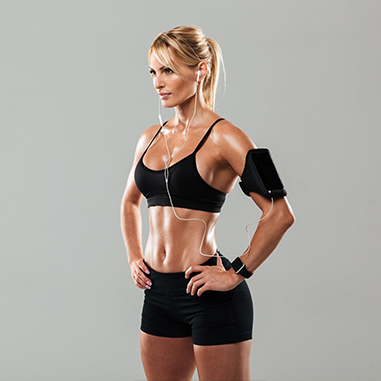
EMS TIME is your partner in achieving fitness goals without leaving your living room. We combine cutting-edge technology, expert guidance, and a passion for wellness to empower you—one pulse at a time!
1. What is EMS?
EMS, or Electrical Muscle Stimulation, is a technology that uses electrical impulses to induce muscle contractions. These impulses mimic the action potential that comes from the central nervous system, causing the muscles to contract and relax. EMS is used to enhance physical training, aid in rehabilitation, and improve muscle strength and endurance.
2. How does EMS training work?


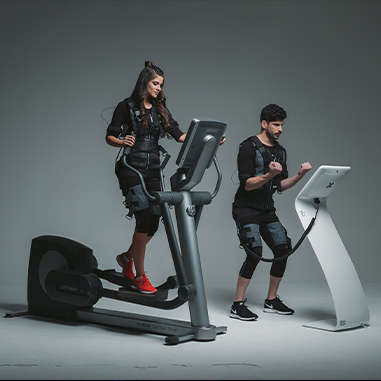

EMS training incorporates a variety of static and dynamic exercises. Participants wear a specialized vest equipped with electrodes through which safe electrical impulses are transmitted. These impulses engage every muscle group in the body simultaneously, making the exercises significantly more intense than traditional training. Essentially, EMS acts as an amplifier for the body's natural processes. In everyday activities, the brain sends bioelectrical impulses through motor nerves to instruct muscles to contract. This is how we perform actions like running or shaking hands. During a 20-minute EMS full-body workout, both the brain and the training device generate these electrical impulses. The muscles cannot differentiate between the impulses from the device and those from the brain, effectively making EMS an external turbocharger for the body's natural mechanisms.
3. What are the benefits of EMS Training?
EMS offers a range of benefits, including increased muscle strength, improved endurance, enhanced muscle tone, and accelerated muscle recovery. It can also help with weight loss by boosting metabolism and aiding in the reduction of body fat. Additionally, EMS can alleviate muscle soreness and pain, making it a valuable tool for rehabilitation and physical therapy.
4. Is EMS Training safe?
Absolutely! Numerous studies have definitively proven the effectiveness and safety of EMS training. Electrostimulation, which has its roots in rehabilitation therapy, has a long-standing tradition spanning several decades. Since the mid-20th century, it has been utilized not only by medical professionals and physiotherapists but also in competitive sports. In the medical field, EMS assists with back pain and muscle imbalances, while athletes use it to enhance muscle strength in sports. EMS training targets only skeletal muscles and does not affect organ muscles or the heart. Therefore, you can confidently use our FDA approved devices, produced by the world market leader, xBody.
5. Who can benefit from EMS Training?
EMS Training can benefit a wide range of individuals, including athletes looking to enhance their performance, fitness enthusiasts aiming to improve muscle tone and strength, individuals undergoing rehabilitation for muscle injuries, and those looking to lose weight or maintain overall fitness. The versatility of EMS makes it suitable for people of all fitness levels and goals.
6. How long does an EMS Session last?
An EMS session typically lasts between 20 to 30 minutes. Despite the short duration, EMS sessions are highly effective because the electrical impulses cause deep and intense muscle contractions that are equivalent to a 4h long conventional workout. The efficiency of EMS makes it ideal for individuals with busy schedules who need to maximize their training time.
7. How often should I use EMS Training?
For optimal results, it is recommended to use EMS 1 to 2 times per week. This frequency allows for adequate muscle recovery between sessions while providing consistent stimulation to build strength and endurance. A Personal Trainer can help design a balanced EMS program that fits your individual needs and goals.
8. What are the benefits of EMS Training?
EMS offers a range of benefits, including increased muscle strength, improved endurance, enhanced muscle tone, and accelerated muscle recovery. It can also help with weight loss by boosting metabolism and aiding in the reduction of body fat. Additionally, EMS can alleviate muscle soreness and pain, making it a valuable tool for rehabilitation and physical therapy.
9. Can EMS aid in weight loss?
Yes, EMS can aid in weight loss by increasing muscle mass, which in turn boosts metabolism and helps burn more calories at rest. The high-intensity muscle contractions induced by EMS also promote fat loss and improve body composition. Combined with a healthy diet and regular physical activity, EMS can be an effective tool for achieving weight loss goals.
10. Are there any contraindications for EMS?
EMS should not be used by individuals with certain medical conditions, including those with pacemakers, epilepsy, or specific skin conditions. Pregnant women and individuals with severe cardiovascular diseases should also avoid EMS. It is crucial to consult with a healthcare professional before starting EMS training to ensure it is safe for your specific health condition.
EMS Training
Frequently asked Questions
EMS Training
Frequently asked Questions
1. What is EMS?
EMS, or Electrical Muscle Stimulation, is a technology that uses electrical impulses to induce muscle contractions. These impulses mimic the action potential that comes from the central nervous system, causing the muscles to contract and relax. EMS is used to enhance physical training, aid in rehabilitation, and improve muscle strength and endurance.
2. How does EMS training work?
EMS training incorporates a variety of static and dynamic exercises. Participants wear a specialized vest equipped with electrodes through which safe electrical impulses are transmitted. These impulses engage every muscle group in the body simultaneously, making the exercises significantly more intense than traditional training. Essentially, EMS acts as an amplifier for the body's natural processes. In everyday activities, the brain sends bioelectrical impulses through motor nerves to instruct muscles to contract. This is how we perform actions like running or shaking hands. During a 20-minute EMS full-body workout, both the brain and the training device generate these electrical impulses. The muscles cannot differentiate between the impulses from the device and those from the brain, effectively making EMS an external turbocharger for the body's natural mechanisms.
3. What are the benefits of EMS Training?
EMS offers a range of benefits, including increased muscle strength, improved endurance, enhanced muscle tone, and accelerated muscle recovery. It can also help with weight loss by boosting metabolism and aiding in the reduction of body fat. Additionally, EMS can alleviate muscle soreness and pain, making it a valuable tool for rehabilitation and physical therapy.
4. Is EMS Training safe?
Absolutely! Numerous studies have definitively proven the effectiveness and safety of EMS training. Electrostimulation, which has its roots in rehabilitation therapy, has a long-standing tradition spanning several decades. Since the mid-20th century, it has been utilized not only by medical professionals and physiotherapists but also in competitive sports. In the medical field, EMS assists with back pain and muscle imbalances, while athletes use it to enhance muscle strength in sports. EMS training targets only skeletal muscles and does not affect organ muscles or the heart. Therefore, you can confidently use our FDA approved devices, produced by the world market leader, xBody.
5. Who can benefit from EMS Training?
EMS Training can benefit a wide range of individuals, including athletes looking to enhance their performance, fitness enthusiasts aiming to improve muscle tone and strength, individuals undergoing rehabilitation for muscle injuries, and those looking to lose weight or maintain overall fitness. The versatility of EMS makes it suitable for people of all fitness levels and goals.
6. How long does an EMS Session last?
An EMS session typically lasts between 20 to 30 minutes. Despite the short duration, EMS sessions are highly effective because the electrical impulses cause deep and intense muscle contractions that are equivalent to a 4h long conventional workout. The efficiency of EMS makes it ideal for individuals with busy schedules who need to maximize their training time.
7. How often should I use EMS Training?
For optimal results, it is recommended to use EMS 1 to 2 times per week. This frequency allows for adequate muscle recovery between sessions while providing consistent stimulation to build strength and endurance. A Personal Trainer can help design a balanced EMS program that fits your individual needs and goals.
8. What are the benefits of EMS Training?
EMS offers a range of benefits, including increased muscle strength, improved endurance, enhanced muscle tone, and accelerated muscle recovery. It can also help with weight loss by boosting metabolism and aiding in the reduction of body fat. Additionally, EMS can alleviate muscle soreness and pain, making it a valuable tool for rehabilitation and physical therapy.
9. Can EMS aid in weight loss?
Yes, EMS can aid in weight loss by increasing muscle mass, which in turn boosts metabolism and helps burn more calories at rest. The high-intensity muscle contractions induced by EMS also promote fat loss and improve body composition. Combined with a healthy diet and regular physical activity, EMS can be an effective tool for achieving weight loss goals.
10. Are there any contraindications for EMS?
EMS should not be used by individuals with certain medical conditions, including those with pacemakers, epilepsy, or specific skin conditions. Pregnant women and individuals with severe cardiovascular diseases should also avoid EMS. It is crucial to consult with a healthcare professional before starting EMS training to ensure it is safe for your specific health condition.
The Benefits of
EMS Training
11. Do I get sore muscles?
Most likely, yes! Sore muscles often indicate rigorous fitness training. The intensity of EMS sessions stimulates muscle fibers to undergo structural changes, aiming to build and strengthen them. This effect can be particularly intense after a purely strength-focused EMS session, especially by the second day post-training. The blend of professional guidance, the push to complete the final repetitions, and the highly effective deep muscular impulses make EMS an unrivaled champion in efficiency among fitness workouts.
12. Why is it better to train with a personal trainer?
Training with a personal trainer significantly enhances effectiveness, as they select intensive exercises specifically tailored to the individual trainee and motivate them to achieve their best performance. Additionally, the trainer ensures that exercises are executed correctly and promptly corrects any mistakes. This approach makes the training not only intense and effective but also promotes health and minimizes potential errors.
13. Do I need training experience to join EMS Time?
No, EMS training can be carried out at any age and at any fitness level. Since the training is always individually controlled and adapted, we can respond to any circumstances and wishes. It can sometimes even be an advantage if you do not have much training experience, since you can then start training in a way that is gentle on your joints and receive a high level of support from your personal trainer.
14. How does muscle coordination and body perception change?
To enhance coordination skills and improve body perception (proprioception), we incorporate a diverse array of fitness exercises from functional training into our sessions. Many of our Bionic exercises mimic everyday movements, specifically targeting intermuscular coordination and body awareness. We believe this approach is the key to providing comprehensive and goal-oriented EMS training. Additionally, studies have demonstrated that 60% of participants have experienced improved balance capacity following EMS training.
15. Does EMS training also target the passive musculoskeletal system?
Yes. The intensive stimulation of the active musculoskeletal system (entire skeletal muscles) in our EMS-supported functional training also leads to adaptation processes in the passive musculoskeletal system (bones, cartilage, ligaments and intervertebral discs). The pressure and tensile loads on the skeletal muscles briefly “deform” the bones. During the regeneration process, they adapt to this previous stress stimulus by building up new bone substance. In addition, many anabolic (bodybuilding) hormones such as growth hormones, testosterone, DHEA (dehydroepiandrosterone) and also estrogen increase, leading to improved stabilization overall and development of the passive locomotor system. What’s more: EMS training has been successfully used for many years in the prevention of osteoporosis (bone loss).
16. Is EMS suitable for beginners?
Absolutely, EMS is suitable for individuals of all fitness levels, including beginners. The intensity and frequency of the electrical impulses can be adjusted to match the user's fitness level and gradually increased as their strength and endurance improve. A Personal Trainer can tailor an EMS program to ensure it aligns with the beginner's capabilities and fitness goals.
17. Can EMS assist with muscle recovery?
Yes, EMS can significantly enhance muscle recovery by increasing blood flow to the targeted muscles, reducing muscle soreness, and accelerating the removal of metabolic waste products. This helps in faster recovery post-exercise and minimizes the risk of muscle fatigue and injury. Regular EMS sessions, especially under the supervision of a Personal Trainer, can aid in maintaining muscle health and performance.
18. Which EMS devices does EMS Time use?
We work exclusively with EMS devices from the market leader xBody. Only xBody has been FDA approved world wide and combines the right ingredients for a truly revolutionary device system: innovative technology combined with optimum benefit and maximum comfort. All xBody devices and thus all devices at EMS Timework exclusively with low-frequency current pulses (85 Hz).
19. How does muscle coordination and body perception change?
EMS should not be used by individuals with certain medical conditions, including those with pacemakers, epilepsy, or specific skin conditions. Pregnant women and individuals with severe cardiovascular diseases should also avoid EMS. It is crucial to consult with a healthcare professional before starting EMS training to ensure it is safe for your specific health condition.
20. Is EMS training strenuous?
Yes, it can be very strenuous and sweaty. But don’t worry, although our personal trainers always help you to surpass yourself and extract the last bit of power, they don’t overtax anyone. Ultimately, the customer determines where his limit lies.
The Benefits of
EMS Training
11. Do I get sore muscles?
Most likely, yes! Sore muscles often indicate rigorous fitness training. The intensity of EMS sessions stimulates muscle fibers to undergo structural changes, aiming to build and strengthen them. This effect can be particularly intense after a purely strength-focused EMS session, especially by the second day post-training. The blend of professional guidance, the push to complete the final repetitions, and the highly effective deep muscular impulses make EMS an unrivaled champion in efficiency among fitness workouts.
12. Why is it better to train with a personal trainer?
Training with a personal trainer significantly enhances effectiveness, as they select intensive exercises specifically tailored to the individual trainee and motivate them to achieve their best performance. Additionally, the trainer ensures that exercises are executed correctly and promptly corrects any mistakes. This approach makes the training not only intense and effective but also promotes health and minimizes potential errors.
13. Do I need training experience to join EMS Time?
No, EMS training can be carried out at any age and at any fitness level. Since the training is always individually controlled and adapted, we can respond to any circumstances and wishes. It can sometimes even be an advantage if you do not have much training experience, since you can then start training in a way that is gentle on your joints and receive a high level of support from your personal trainer.
14. How does muscle coordination and body perception change?
To enhance coordination skills and improve body perception (proprioception), we incorporate a diverse array of fitness exercises from functional training into our sessions. Many of our Bionic exercises mimic everyday movements, specifically targeting intermuscular coordination and body awareness. We believe this approach is the key to providing comprehensive and goal-oriented EMS training. Additionally, studies have demonstrated that 60% of participants have experienced improved balance capacity following EMS training.
15. Does EMS training also target the passive musculoskeletal system?
Yes. The intensive stimulation of the active musculoskeletal system (entire skeletal muscles) in our EMS-supported functional training also leads to adaptation processes in the passive musculoskeletal system (bones, cartilage, ligaments and intervertebral discs). The pressure and tensile loads on the skeletal muscles briefly “deform” the bones. During the regeneration process, they adapt to this previous stress stimulus by building up new bone substance. In addition, many anabolic (bodybuilding) hormones such as growth hormones, testosterone, DHEA (dehydroepiandrosterone) and also estrogen increase, leading to improved stabilization overall and development of the passive locomotor system. What’s more: EMS training has been successfully used for many years in the prevention of osteoporosis (bone loss).
16. Is EMS suitable for beginners?
Absolutely, EMS is suitable for individuals of all fitness levels, including beginners. The intensity and frequency of the electrical impulses can be adjusted to match the user's fitness level and gradually increased as their strength and endurance improve. A Personal Trainer can tailor an EMS program to ensure it aligns with the beginner's capabilities and fitness goals.
17. Can EMS assist with muscle recovery?
Yes, EMS can significantly enhance muscle recovery by increasing blood flow to the targeted muscles, reducing muscle soreness, and accelerating the removal of metabolic waste products. This helps in faster recovery post-exercise and minimizes the risk of muscle fatigue and injury. Regular EMS sessions, especially under the supervision of a Personal Trainer, can aid in maintaining muscle health and performance.
18. Which EMS devices does EMS Time use?
We work exclusively with EMS devices from the market leader xBody. Only xBody has been FDA approved world wide and combines the right ingredients for a truly revolutionary device system: innovative technology combined with optimum benefit and maximum comfort. All xBody devices and thus all devices at EMS Timework exclusively with low-frequency current pulses (85 Hz).
19. How does muscle coordination and body perception change?
EMS should not be used by individuals with certain medical conditions, including those with pacemakers, epilepsy, or specific skin conditions. Pregnant women and individuals with severe cardiovascular diseases should also avoid EMS. It is crucial to consult with a healthcare professional before starting EMS training to ensure it is safe for your specific health condition.
20. Is EMS training strenuous?
Yes, it can be very strenuous and sweaty. But don’t worry, although our personal trainers always help you to surpass yourself and extract the last bit of power, they don’t overtax anyone. Ultimately, the customer determines where his limit lies.
21. When are the first results visible?
Most people feel a difference after their first workout. Changes become visible after a few weeks of training – this depends entirely on the person training. The only important thing is that you train regularly and change your diet at the same time. Then the sequence of events is as follows: first you feel the results. Then you see them. And finally, others will also notice the difference to your body. EMS training at Bionic guarantees the before and after effect!
22. Can I build up muscles with EMS?
Yes, absolutely. Because muscle building is the central component of EMS training. An effective muscle buildup requires intensive training and sufficient recovery between training sessions. Because EMS training is so intensive, special emphasis must be placed on regeneration. After all, muscles are not built up during training, but afterwards. Naturally, suitable diet is very important and supports muscle building!
23. Can I lose weight with EMS?
Yes. However, you should know that you must have at least 4-6 weeks of patience (depending on individual body composition / genetics), because everybody builds muscle mass with EMS – and muscle tissue is heavier than fatty tissue. (This means that weight loss is low at first). However, the important thing is not what is the scales say, but what is actually happening in the body. The more muscle mass there is, the greater the basal metabolic rate, the more calories are burned and the easier it is to regulate body weight and mold your figure. Due to the increased basal metabolic rate you burn calories around the clock, even during rest periods. This really brings you a little closer to losing weight literally during your sleep. If you now optimize your diet in parallel, you will definitely lose a lot of weight with EMS training. As little as 500g more muscle mass consumes more than 50 kcal more energy than the same amount of fat during a day at rest. The preservation of muscle mass is therefore of decisive importance when losing weight and provides for a tangible and visible restructuring of the body, which is also worthwhile in the long term.
24. Can i reduce body fat with EMS Training?
Can i reduce body fat with EMS Training? Yes, you can reduce body fat with EMS Training! By stimulating muscle contractions, EMS increases muscle mass, which in turn boosts your metabolic rate. This higher metabolism helps your body burn more calories, even at rest. The intensive muscle engagement during EMS workouts also promotes fat loss and improves overall body composition. When combined with a balanced diet and regular physical activity, EMS Training can be an effective tool for achieving your weight loss goals. So, it's a great addition to your fitness regimen for reducing body fat! Keep up the good work! 🏋️♀️🔥
25. How can EMS Training help with back pain?
EMS training can be an effective tool for managing and alleviating back pain. Here's how: Strengthening Core Muscles: EMS targets deep muscle groups, including the core muscles that support the spine. By strengthening these muscles, EMS helps improve posture and reduces the strain on the lower back, which can alleviate pain. Improving Blood Circulation: The electrical impulses used in EMS training stimulate blood flow to the muscles. Enhanced circulation can help reduce inflammation and promote healing in the back muscles. Reducing Muscle Spasms: EMS can help to relieve muscle spasms by causing muscles to contract and relax rhythmically. This can ease tension and reduce pain caused by spasms in the back muscles. Enhancing Muscle Endurance: Regular EMS training can improve the endurance of the back muscles, making them less prone to fatigue and better able to support the spine during daily activities. Pain Relief through Neuromuscular Re-education: EMS can aid in re-educating the muscles to perform correctly, which can help in relieving chronic back pain by correcting muscle imbalances and improving overall muscle function. Promoting Proper Posture: By strengthening the core and back muscles, EMS training can help correct posture, which is often a significant factor in managing back pain. Low-Impact Exercise: EMS provides a low-impact form of exercise that avoids putting additional stress on the joints and spine, making it suitable for individuals with back pain who might find traditional exercises too strenuous. However, it is always important to consult with a healthcare professional or physiotherapist before starting EMS training, especially if you have a history of back pain or other medical conditions. They can provide personalized advice and ensure that EMS training is a safe and effective option for your specific situation.
26. What influence does nutrition have on my training success?
In principle, at least 50 percent of training success depends on the right diet, because a balanced diet is crucial for physical health and fitness. It is therefore worthwhile to eat properly on top of doing the right training.
27. What is the average calorie consumption per EMS training unit?
Scientific data on the actual calorie consumption through whole-body EMS training have only been available briefly. Prof. Dr. Wolfgang Kemmler from the University of Erlangen has investigated the actual energy consumption of EMS training. Well-trained young men completed a 16-minute EMS strength training session. Kemmler´s results showed 16 minutes = 412 kcal. Converted to a 20-minute EMS Time EMS training session, this results in 515 kcal. Compared to other popular sports that also last 20 minutes, EMS training is well in the lead! The following orientation values apply for 20-minute training: EMS training = 515 kcal Rope jumping (fast) = 300 kcal Climbing = 275 kcal Football = 250 kcal Track and field (hurdles) = 250 kcal Judo = 250 kcal Boxing = 225 kcal Jogging = 210 kcal Handball = 200 kcal Badminton = 175 kcal. Important! Not only the calorie consumption within a training unit is significant. The increased turnover during the regeneration phase, the so-called excess post-exercise oxygen consumption (EPOC), also plays a decisive role in the effectiveness of the training. Due to the increased metabolism and intensity of EMS training, scientists assume an enormously prolonged afterburn effect that lasts up to 48 hours after the EMS training session. Therefore, the above values should be multiplied by 2 or 2.5 respectively. Since women usually have less muscle mass than men, women should multiply the orientation value 515 kcal by 0.75 = 386 kcal during the EMS training session and 772 kcal (386 x 2) including the afterburning effect. Furthermore, it should be noted that in addition to gender, age, and weight are also taken into account in the calculation of energy consumption, depending on the determination method. The higher the weight of the user, the higher the consumption will be. In addition, the metabolic rate usually decreases with age. Furthermore, the higher the selected intensity over a defined period, the more muscles, range of motion, and dynamics (functional exercises) are included, and the higher the energy turnover and thus the calorie consumption should be. Depending on the setting and exercise selection, values higher than 515 kcal are probably possible. Last but not least, a long-term adjustment of muscle metabolism is also decisive for body shaping. A well-developed muscle mass, like an internal combustion engine, can support the body shaping process and metabolize more energy, especially during rest phases without training. Therefore, calorie consumption during training is of limited significance for the actual effect of a training session at EMS Time. Moreover, the influence of nutrition should not be underestimated.
28. What is the difference between EMS and TENS?
- EMS (Electrical Muscle Stimulation) and TENS (Transcutaneous Electrical Nerve Stimulation) are both electrical stimulation therapies but serve different purposes. EMS targets muscle contraction to enhance strength, endurance, and muscle tone. TENS, on the other hand, is primarily used for pain relief by stimulating sensory nerves to block pain signals to the brain. While both use electrical impulses, their applications and effects are distinct.
29. What is the cost of EMS Training?
The cost of EMS Training varies depending on the device and the frequency of Personal Trainer sessions. While initial investment in a high-quality EMS device may be higher, it can be more cost-effective over time compared to traditional gym memberships. Additionally, some EMS programs offer package deals that include both the device and a set number of training sessions with a Personal Trainer.
30. How does EMS benefit athletes?
EMS can significantly benefit athletes by enhancing their muscle strength, endurance, and recovery times. The intense muscle contractions induced by EMS can lead to improved performance, reduced muscle fatigue, and a lower risk of injury. Athletes can use EMS as part of their training regimen to target specific muscle groups, increase their overall power output, and expedite recovery after intense physical activity.
31. When should I not do EMS?
As a rule, the following applies: Any healthy person who can also do sports (“fit and active”) can do EMS training. There are the following exceptions: If you suffer when under physical strain, you should only train after consulting your GP. The same applies if you have a pacemaker or a neurological disease, advanced diabetes, cardiovascular disease, cancer, a tumor or tuberculosis. If you have a cold or a bacterial infection, you should at least take a break, as you should for any other sport. If you are pregnant, please wait until a few weeks after giving birth before starting EMS training.
32. Can EMS training damage my heart?
EMS training is nothing more than an external amplifier of the body’s own principle of communicating with the muscles via bioelectric impulses. During training we work with so-called low frequencies, which are harmless for the heart and organs. Therefore: If you are healthy, have no cardiovascular disease and do not have a pacemaker, EMS training is not dangerous for your heart. The EMS pulse reaches neither the heart nor the organs.
33. Does EMS help with anxiety?
Yes, EMS training can help with anxiety! While the direct link between EMS training and anxiety reduction isn't entirely clear, many people find that regular exercise, including EMS training, helps alleviate symptoms of anxiety1. The physical activity involved in EMS training releases endorphins, which are natural mood lifters, and can help reduce stress and anxiety levels. Additionally, the focus required during EMS sessions can provide a mental distraction, helping to ease anxious thoughts.
34. Will my creatine kinase (CK) value increase after EMS training?
Yes. Creatine kinase (CK) is an enzyme that is present in particularly high concentrations in the muscle fibers. It plays an important role as a catalyst in the transfer of energy-rich phosphates to form creatine and ATP (adenosine triphosphate) in the energy household of muscle cells. After intensive training (e.g. EMS) the CK value rises strongly in order to fall back to the initial value after a training break of several days. (Depending on the type of metabolism, it can sometimes rise very sharply). It is important that the body is sufficiently hydrated, i.e. that enough liquid (e.g. still mineral water) is drunk before and after training. A connection between increased creatine kinase values after intensive EMS training and pathological findings such as kidney failure, heart attack or rhabdomyolysis (muscle tissue decay) cannot be scientifically established. The increase in CK activity is merely an expression of a highly intensive muscular or metabolic load. This is not expected to have any negative consequences. If you have a blood count taken immediately after an EMS workout, please tell the examining physician about your workout so that he can attribute the increased CK blood value accordingly. Experts agree: EMS training makes sense and is completely harmless if you do not overdo it (e.g. once or twice a week) and drink enough fluids.
35. I have a pacemaker. Can I train?
No. Pacemakers are usually used to monitor or stimulate the patient’s cardiac activity. If there is no own heart rhythm or if the rhythm drops below a certain limit, the pacemaker starts and sends electrical impulses that cause the heart muscle to contract. This is to ensure a regular and faster heartbeat. Some new models adapt the frequencies at which electrical pulses are transmitted to the situation, e.g. to changes such as during running. Some do this even with emotional changes, such as emotional stress. The main difficulty with pacemakers is whether the pacemaker’s detection unit is capable of distinguishing cardiac signals from external sources of interference. Theoretically, if a particular device is prone to interference, a program can be changed or deleted due to the electrical signals; according to many manufacturers, the functioning of the pacemaker may be interrupted during use. In the worst case, threatening asystoles or arrhythmias must be reckoned with. Some experts now assume that modern bipolar pacemakers are hardly affected by external electrical signals, if at all. However, variations between the individual manufacturers and producers cannot be completely excluded. The respective data is inconclusive. If the electrodes are left out locally around the chest area, the risk of influencing the pacemaker by the EMS impulse should most likely be reduced, but it cannot be entirely ruled out. People fitted with pacemakers are therefore generally advised against therapies using electrical impulses. In principle, electronic pacemakers and all electronic implants can be classed as absolute contraindications. This means that we generally do not allow EMS training.
The Comfort of
EMS Training
The Comfort of
EMS Training
21. When are the first results visible?
Most people feel a difference after their first workout. Changes become visible after a few weeks of training – this depends entirely on the person training. The only important thing is that you train regularly and change your diet at the same time. Then the sequence of events is as follows: first you feel the results. Then you see them. And finally, others will also notice the difference to your body. EMS training at Bionic guarantees the before and after effect!
22. Can I build up muscles with EMS?
Yes, absolutely. Because muscle building is the central component of EMS training. An effective muscle buildup requires intensive training and sufficient recovery between training sessions. Because EMS training is so intensive, special emphasis must be placed on regeneration. After all, muscles are not built up during training, but afterwards. Naturally, suitable diet is very important and supports muscle building!
23. Can I lose weight with EMS?
Yes. However, you should know that you must have at least 4-6 weeks of patience (depending on individual body composition / genetics), because everybody builds muscle mass with EMS – and muscle tissue is heavier than fatty tissue. (This means that weight loss is low at first). However, the important thing is not what is the scales say, but what is actually happening in the body. The more muscle mass there is, the greater the basal metabolic rate, the more calories are burned and the easier it is to regulate body weight and mold your figure. Due to the increased basal metabolic rate you burn calories around the clock, even during rest periods. This really brings you a little closer to losing weight literally during your sleep. If you now optimize your diet in parallel, you will definitely lose a lot of weight with EMS training. As little as 500g more muscle mass consumes more than 50 kcal more energy than the same amount of fat during a day at rest. The preservation of muscle mass is therefore of decisive importance when losing weight and provides for a tangible and visible restructuring of the body, which is also worthwhile in the long term.
24. Can i reduce body fat with EMS Training?
Can i reduce body fat with EMS Training? Yes, you can reduce body fat with EMS Training! By stimulating muscle contractions, EMS increases muscle mass, which in turn boosts your metabolic rate. This higher metabolism helps your body burn more calories, even at rest. The intensive muscle engagement during EMS workouts also promotes fat loss and improves overall body composition. When combined with a balanced diet and regular physical activity, EMS Training can be an effective tool for achieving your weight loss goals. So, it's a great addition to your fitness regimen for reducing body fat! Keep up the good work! 🏋️♀️🔥
25. How can EMS Training help with back pain?
EMS training can be an effective tool for managing and alleviating back pain. Here's how: Strengthening Core Muscles: EMS targets deep muscle groups, including the core muscles that support the spine. By strengthening these muscles, EMS helps improve posture and reduces the strain on the lower back, which can alleviate pain. Improving Blood Circulation: The electrical impulses used in EMS training stimulate blood flow to the muscles. Enhanced circulation can help reduce inflammation and promote healing in the back muscles. Reducing Muscle Spasms: EMS can help to relieve muscle spasms by causing muscles to contract and relax rhythmically. This can ease tension and reduce pain caused by spasms in the back muscles. Enhancing Muscle Endurance: Regular EMS training can improve the endurance of the back muscles, making them less prone to fatigue and better able to support the spine during daily activities. Pain Relief through Neuromuscular Re-education: EMS can aid in re-educating the muscles to perform correctly, which can help in relieving chronic back pain by correcting muscle imbalances and improving overall muscle function. Promoting Proper Posture: By strengthening the core and back muscles, EMS training can help correct posture, which is often a significant factor in managing back pain. Low-Impact Exercise: EMS provides a low-impact form of exercise that avoids putting additional stress on the joints and spine, making it suitable for individuals with back pain who might find traditional exercises too strenuous. However, it is always important to consult with a healthcare professional or physiotherapist before starting EMS training, especially if you have a history of back pain or other medical conditions. They can provide personalized advice and ensure that EMS training is a safe and effective option for your specific situation.
26. What influence does nutrition have on my training success?
In principle, at least 50 percent of training success depends on the right diet, because a balanced diet is crucial for physical health and fitness. It is therefore worthwhile to eat properly on top of doing the right training.
27. What is the average calorie consumption per EMS training unit?
Scientific data on the actual calorie consumption through whole-body EMS training have only been available briefly. Prof. Dr. Wolfgang Kemmler from the University of Erlangen has investigated the actual energy consumption of EMS training. Well-trained young men completed a 16-minute EMS strength training session. Kemmler´s results showed 16 minutes = 412 kcal. Converted to a 20-minute EMS Time EMS training session, this results in 515 kcal. Compared to other popular sports that also last 20 minutes, EMS training is well in the lead! The following orientation values apply for 20-minute training: EMS training = 515 kcal Rope jumping (fast) = 300 kcal Climbing = 275 kcal Football = 250 kcal Track and field (hurdles) = 250 kcal Judo = 250 kcal Boxing = 225 kcal Jogging = 210 kcal Handball = 200 kcal Badminton = 175 kcal. Important! Not only the calorie consumption within a training unit is significant. The increased turnover during the regeneration phase, the so-called excess post-exercise oxygen consumption (EPOC), also plays a decisive role in the effectiveness of the training. Due to the increased metabolism and intensity of EMS training, scientists assume an enormously prolonged afterburn effect that lasts up to 48 hours after the EMS training session. Therefore, the above values should be multiplied by 2 or 2.5 respectively. Since women usually have less muscle mass than men, women should multiply the orientation value 515 kcal by 0.75 = 386 kcal during the EMS training session and 772 kcal (386 x 2) including the afterburning effect. Furthermore, it should be noted that in addition to gender, age, and weight are also taken into account in the calculation of energy consumption, depending on the determination method. The higher the weight of the user, the higher the consumption will be. In addition, the metabolic rate usually decreases with age. Furthermore, the higher the selected intensity over a defined period, the more muscles, range of motion, and dynamics (functional exercises) are included, and the higher the energy turnover and thus the calorie consumption should be. Depending on the setting and exercise selection, values higher than 515 kcal are probably possible. Last but not least, a long-term adjustment of muscle metabolism is also decisive for body shaping. A well-developed muscle mass, like an internal combustion engine, can support the body shaping process and metabolize more energy, especially during rest phases without training. Therefore, calorie consumption during training is of limited significance for the actual effect of a training session at EMS Time. Moreover, the influence of nutrition should not be underestimated.
28. What is the difference between EMS and TENS?
- EMS (Electrical Muscle Stimulation) and TENS (Transcutaneous Electrical Nerve Stimulation) are both electrical stimulation therapies but serve different purposes. EMS targets muscle contraction to enhance strength, endurance, and muscle tone. TENS, on the other hand, is primarily used for pain relief by stimulating sensory nerves to block pain signals to the brain. While both use electrical impulses, their applications and effects are distinct.
29. What is the cost of EMS Training?
The cost of EMS Training varies depending on the device and the frequency of Personal Trainer sessions. While initial investment in a high-quality EMS device may be higher, it can be more cost-effective over time compared to traditional gym memberships. Additionally, some EMS programs offer package deals that include both the device and a set number of training sessions with a Personal Trainer.
30. How does EMS benefit athletes?
EMS can significantly benefit athletes by enhancing their muscle strength, endurance, and recovery times. The intense muscle contractions induced by EMS can lead to improved performance, reduced muscle fatigue, and a lower risk of injury. Athletes can use EMS as part of their training regimen to target specific muscle groups, increase their overall power output, and expedite recovery after intense physical activity.
31. When should I not do EMS?
As a rule, the following applies: Any healthy person who can also do sports (“fit and active”) can do EMS training. There are the following exceptions: If you suffer when under physical strain, you should only train after consulting your GP. The same applies if you have a pacemaker or a neurological disease, advanced diabetes, cardiovascular disease, cancer, a tumor or tuberculosis. If you have a cold or a bacterial infection, you should at least take a break, as you should for any other sport. If you are pregnant, please wait until a few weeks after giving birth before starting EMS training.
32. Can EMS training damage my heart?
EMS training is nothing more than an external amplifier of the body’s own principle of communicating with the muscles via bioelectric impulses. During training we work with so-called low frequencies, which are harmless for the heart and organs. Therefore: If you are healthy, have no cardiovascular disease and do not have a pacemaker, EMS training is not dangerous for your heart. The EMS pulse reaches neither the heart nor the organs.
33. Does EMS help with anxiety?
Yes, EMS training can help with anxiety! While the direct link between EMS training and anxiety reduction isn't entirely clear, many people find that regular exercise, including EMS training, helps alleviate symptoms of anxiety1. The physical activity involved in EMS training releases endorphins, which are natural mood lifters, and can help reduce stress and anxiety levels. Additionally, the focus required during EMS sessions can provide a mental distraction, helping to ease anxious thoughts.
34. Will my creatine kinase (CK) value increase after EMS training?
Yes. Creatine kinase (CK) is an enzyme that is present in particularly high concentrations in the muscle fibers. It plays an important role as a catalyst in the transfer of energy-rich phosphates to form creatine and ATP (adenosine triphosphate) in the energy household of muscle cells. After intensive training (e.g. EMS) the CK value rises strongly in order to fall back to the initial value after a training break of several days. (Depending on the type of metabolism, it can sometimes rise very sharply). It is important that the body is sufficiently hydrated, i.e. that enough liquid (e.g. still mineral water) is drunk before and after training. A connection between increased creatine kinase values after intensive EMS training and pathological findings such as kidney failure, heart attack or rhabdomyolysis (muscle tissue decay) cannot be scientifically established. The increase in CK activity is merely an expression of a highly intensive muscular or metabolic load. This is not expected to have any negative consequences. If you have a blood count taken immediately after an EMS workout, please tell the examining physician about your workout so that he can attribute the increased CK blood value accordingly. Experts agree: EMS training makes sense and is completely harmless if you do not overdo it (e.g. once or twice a week) and drink enough fluids.
35. I have a pacemaker. Can I train?
No. Pacemakers are usually used to monitor or stimulate the patient’s cardiac activity. If there is no own heart rhythm or if the rhythm drops below a certain limit, the pacemaker starts and sends electrical impulses that cause the heart muscle to contract. This is to ensure a regular and faster heartbeat. Some new models adapt the frequencies at which electrical pulses are transmitted to the situation, e.g. to changes such as during running. Some do this even with emotional changes, such as emotional stress. The main difficulty with pacemakers is whether the pacemaker’s detection unit is capable of distinguishing cardiac signals from external sources of interference. Theoretically, if a particular device is prone to interference, a program can be changed or deleted due to the electrical signals; according to many manufacturers, the functioning of the pacemaker may be interrupted during use. In the worst case, threatening asystoles or arrhythmias must be reckoned with. Some experts now assume that modern bipolar pacemakers are hardly affected by external electrical signals, if at all. However, variations between the individual manufacturers and producers cannot be completely excluded. The respective data is inconclusive. If the electrodes are left out locally around the chest area, the risk of influencing the pacemaker by the EMS impulse should most likely be reduced, but it cannot be entirely ruled out. People fitted with pacemakers are therefore generally advised against therapies using electrical impulses. In principle, electronic pacemakers and all electronic implants can be classed as absolute contraindications. This means that we generally do not allow EMS training.
Still have questions?
Can't find the answer you're looking for? Please chat to our friendly team
At EMS TIME, we’re not just a brand, we’re a lifestyle. Imagine a future where fitness seamlessly integrates into your busy life. It’s not a dream, it’s EMS TIME.
JOIN WITH US
Limited Spots
Fill out the form and one of our Representatives will contact you shortly.